
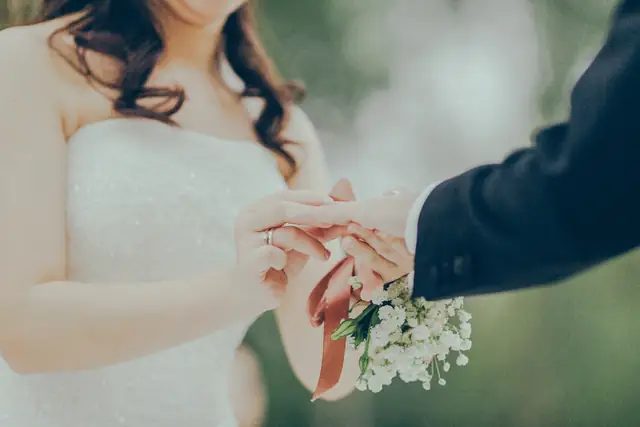
The big wedding trends for 2026 are about meaning over spectacle: weddings that feel personal, guest experiences that go beyond the dinner, menus rooted in family heritage, candlelit and natural decor, and digital tools that remove the stress of organization. You do not need to follow them all; pick the ones that fit your style and your families. Here is what couples are choosing in 2026, from the ceremony to the after-party.
1. Personal weddings over standard formulas
More couples are moving away from the "one size fits all" wedding package. Instead, they build days that tell their story: a ceremony in their grandparents' languages, a menu inspired by both families' origins, a playlist that mixes generations, signage with private jokes, or a table showing photos of parents' and grandparents' weddings.
How to apply it:
- Choose two or three personal details and make them visible.
- Involve family members in meaningful roles (holding the chuppah, a reading, a blessing).
- Write your own vows or a short shared text. Our article on ceremony readings and vows can help.
2. Guest experience first
Couples increasingly think about the wedding from the guests' point of view: comfortable seating areas, good food served on time, shuttles from the city, water stations on hot evenings, childcare corners and clear information before the day.
Ideas that guests notice:
- A lounge area away from the speakers.
- A late-night snack.
- Flip-flops or comfortable shoes for the dance floor.
- A dedicated wedding website with directions, timing, parking and dress code.
3. Heritage and fusion menus
Food is moving toward identity. Couples serve dishes from their families' traditions, often reinterpreted: Moroccan salads next to a modern plated main, Tunisian or Iraqi flavors at the reception, Ashkenazi classics revisited for dessert. Food stations allow both families to see their heritage on the table. For a complete method, see our event menu planning guide.
4. Candlelight, natural materials and seasonal flowers
Decor trends for 2026 favor:
- Abundant candlelight instead of heavy floral installations.
- Seasonal and local flowers, arranged loosely.
- Natural materials: wood, linen, ceramics, stone.
- Fruit as decor: citrus, pomegranates, grapes, figs.
- Reusable and rented items rather than single-use decor.
Our wedding decoration ideas for 2026 goes into detail.
5. Two outfits, or more
Changing outfits during the wedding is now common: a ceremony dress or suit, then a lighter, shorter or more comfortable outfit for the party. In some Sephardic and Middle Eastern families, the henna night already features traditional outfits, and the wedding adds another change. Comfort for dancing is a real priority.
6. Smaller, longer celebrations
Some couples choose fewer guests but more time together: a wedding weekend with a Friday dinner, the wedding on Saturday night and a brunch on Sunday, or a destination wedding with closest family. Others keep a large wedding but add a smaller event before it, such as an intimate henna or a Shabbat chatan. See our ideas for small and intimate weddings.
7. Weekday and off-season weddings
To get the venue they want at a better price, more couples choose weekdays or less popular months. In Israel, weekday weddings have long been common; elsewhere, Thursday and Friday weddings are gaining ground. Winter weddings, with candlelight and warm menus, are no longer second best. Check our winter wedding ideas.
8. Digital organization, offline celebration
Couples now plan with apps: shared guest lists, online invitations with RSVP, budget tracking, seating plans and day-of timelines that the family can see. On the day itself, the trend goes the other way: unplugged ceremonies, where guests are asked to put their phones away so the photographer can capture faces instead of screens.
In Mazaly, for example, couples create an online invitation with a dedicated page, follow RSVPs in real time and send reminders on WhatsApp in one tap to those who have not answered. Our guide to digital versus paper invitations compares both approaches.
9. Live moments in the party
Live musicians playing over the DJ's set (saxophone, percussion, darbuka), live painters capturing the ceremony, cocktail mixologists and interactive food stations make the evening feel like an experience. Our article on choosing between a DJ and a band covers hybrid formulas.
10. More sustainable choices
Sustainability shows up in practical ways: rented dresses, local flowers, less single-use plastic, digital invitations, food donations for leftovers where possible and favors guests actually use. See our eco-friendly wedding guide.
11. Documentary photography and video
Couples ask for fewer staged poses and more real moments: tears during the speeches, grandparents dancing, kids running across the dance floor. Short vertical video clips for social media, delivered quickly after the wedding, are also popular. Our photographer hiring tips explain how to choose the right style.
12. Dessert tables instead of towering cakes
Tall tiered cakes are giving way to smaller cakes for the cutting moment, combined with dessert tables, traditional pastries or interactive stations. See our article on wedding cake trends and alternatives.
Trends at a glance
| Area | 2026 direction |
|---|---|
| Ceremony | Personal vows, family roles, unplugged |
| Decor | Candlelight, natural materials, seasonal flowers |
| Food | Heritage menus, stations, late-night snacks |
| Fashion | Two outfits, comfort, modest options |
| Format | Weekday and off-season dates, wedding weekends |
| Entertainment | Live musicians with DJ, interactive moments |
| Organization | Online invitations, shared planning apps |
| Values | Sustainability, guest comfort |
How to use trends without losing yourself
Trends are inspiration, not obligations. A simple filter: keep a trend only if it fits your venue, your budget and your families. A candlelit dinner in a garden is lovely; the same candles in a venue that forbids open flames are a problem. A heritage menu is meaningful if it reflects your families; it is just a theme if it does not.
Write down the three or four trends you love, check them against your priorities and drop the rest.
Conclusion
Wedding trends for 2026 point toward weddings that are personal, comfortable for guests, rooted in family heritage and organized with less stress thanks to digital tools. Choose the trends that suit you, ignore the others and focus on what makes your day yours. To put it all into practice, follow our step-by-step wedding planning guide and plan your guest list, invitations and timeline in Mazaly, free on iPhone and on the web.
Frequently asked questions
What are the biggest wedding trends for 2026?
Key wedding trends for 2026 include personal ceremonies, a focus on guest experience, heritage and fusion menus, candlelit decor with natural materials, outfit changes, weekday and off-season dates, and online organization. Couples also favor documentary photography and more sustainable choices.
Are weekday weddings popular in 2026?
Yes, weekday and off-season weddings are increasingly popular because they offer more venue availability and often better prices. In Israel, weekday weddings have long been the norm. Elsewhere, Thursday and Friday weddings are becoming more common.
Is it a trend to wear two wedding dresses?
Changing outfits during the wedding is now very common. Many brides wear one dress for the ceremony and a lighter or shorter outfit for dancing. Grooms also sometimes change into a more comfortable outfit for the party.
Are digital wedding invitations acceptable in 2026?
Digital wedding invitations are widely accepted in 2026, especially when they include a dedicated page with all the details and an RSVP. Many couples still print a few invitations for grandparents and older relatives. The combination of both is very common.
What is an unplugged wedding ceremony?
An unplugged ceremony is one where guests are asked to put away their phones and cameras during the ceremony. It lets guests be present and gives the photographer clear views of faces instead of screens. Couples usually announce it with a sign or a short word from the officiant.