
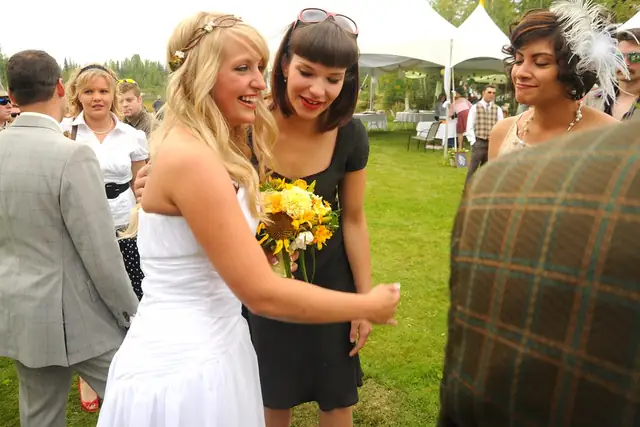
Planning wedding flowers starts with three things: your palette and style, the season of your wedding, and a list of every place that needs flowers, from the bridal bouquet to the chuppah and the tables. Seasonal flowers look fresher and cost less, and a good florist will help you put the budget where guests actually look. This guide covers bouquet styles, ceremony and reception arrangements, flowers by season, how to work with a florist and ways to save.
Make a list of everything that needs flowers
Before talking to a florist, list the items you want. It is the basis of every quote.
| Area | Items |
|---|---|
| Wedding party | Bridal bouquet, bridesmaids' bouquets, boutonnieres, corsages for mothers and grandmothers, flower crown |
| Ceremony | Chuppah or arch, aisle arrangements, entrance, altar or bimah area |
| Reception | Centerpieces, sweetheart or head table, bar, entrance, cake flowers |
| Extras | Welcome sign, seating chart, lounge, restrooms, car decoration |
Then rank them by importance. Most couples put the bouquet, the ceremony and the tables at the top.
Bridal bouquet styles
| Style | Description | Suits |
|---|---|---|
| Round | Compact, classic dome shape | Traditional and elegant weddings |
| Cascade | Flowers flowing downwards | Formal weddings, long dresses |
| Loose / garden | Airy, natural, asymmetric | Garden, boho and modern weddings |
| Posy | Small and tight | Short dresses, civil ceremonies |
| Single stem or minimalist | One or a few flowers | Minimalist weddings |
| Dried or mixed with dried flowers | Pampas, dried grasses, preserved flowers | Boho and autumn weddings |
Choose the bouquet after the dress: its size and shape should suit the silhouette. A large cascade can overwhelm a simple sheath dress, while a tiny posy can disappear against a full ball gown.
Ceremony flowers
The ceremony is where every eye converges, so it is often worth investing here.
- The chuppah: a full floral canopy, greenery on the poles, flowers at the corners only or a simple tallit with a few arrangements at the base. For an outdoor ceremony in heat, choose hardy flowers and greenery.
- The aisle: arrangements every few rows, petals, lanterns with flowers, or meadow-style flowers at the foot of the chairs.
- The entrance: a large arrangement or a flower arch where guests arrive.
Many couples reuse ceremony flowers at the reception: the aisle arrangements move to the bar or the entrance, and the chuppah flowers frame the sweetheart table.
Reception flowers
Centerpieces
Low centerpieces keep conversations easy; tall ones bring drama to halls with high ceilings. Mixing both creates rhythm. Floral centerpieces can be combined with candles, fruit or greenery to reduce cost. For more ideas, see our wedding decoration ideas for 2026.
Other places
The cake, the bar, the welcome sign and the seating chart are photographed often. A small arrangement on each can be enough.
Flowers by season
Availability varies by region and climate, so ask your florist what is truly in season locally. As a general guide in the Mediterranean and Europe:
| Season | Flowers often available |
|---|---|
| Spring | Peonies, ranunculus, tulips, anemones, sweet peas, lilac |
| Summer | Roses, garden roses, sunflowers, hydrangeas, lisianthus, dahlias |
| Autumn | Dahlias, chrysanthemums, amaranthus, roses, dried grasses |
| Winter | Anemones, amaryllis, ranunculus, white roses, eucalyptus, olive branches |
| All year | Roses, orchids, gypsophila, eucalyptus, greenery |
Seasonal flowers are usually more affordable and look fresher. Imported out-of-season flowers can be expensive and fragile.
Flowers and climate
In hot climates, delicate flowers like peonies or hydrangeas can wilt quickly outdoors. For a summer garden wedding, ask your florist for heat-resistant varieties and plan to set up as late as possible. Bouquets should stay in water until the last minute. Our summer wedding planning essentials has more tips on heat.
How to work with a florist
Before the first meeting
- Prepare your list of items and rank them.
- Collect five to ten inspiration photos, plus a few you dislike.
- Bring your palette, fabric swatches and venue photos.
- Know your indicative flower budget.
Questions to ask
- Have you worked at our venue?
- Which flowers will be in season on our date?
- What is included: delivery, setup, removal at the end of the night?
- Can ceremony arrangements be moved to the reception?
- Do you rent vases, stands and arches, or must we buy them?
- When do you need the final details and the final payment?
You can find florists in the Mazaly vendor directory and keep their quotes and contacts in your vendor list. Our guide to managing event vendors explains how to compare quotes.
Saving on wedding flowers
- Prioritize the bouquet, the ceremony and the tables.
- Choose seasonal and local flowers.
- Use more greenery and fewer premium flowers.
- Reuse ceremony arrangements at the reception.
- Combine flowers with candles and fruit on tables.
- Use single-stem bud vases in clusters instead of large arrangements.
- Rent stands and vases rather than buying.
Indicatively, flowers and decor together often represent around 6 to 10 percent of a wedding budget, but this varies widely. Track the florist's quote in your wedding budget.
Sustainable flower choices
- Local and seasonal flowers.
- Potted plants guests can take home.
- No floral foam where possible (florists can use other techniques).
- Donating flowers after the wedding to a hospital, a retirement home or a synagogue, where allowed.
For more ideas, see our eco-friendly wedding guide.
Preserving the bouquet
Many brides keep their bouquet: dried and framed, pressed, or preserved professionally. If you want to keep it, tell your florist, as some flowers dry better than others. Some brides order a smaller "toss bouquet" so they can keep the main one.
Conclusion
Wedding flowers are easiest to plan when you start with a list, a palette and the season. Choose a bouquet that suits your dress, invest in the ceremony and the tables, reuse arrangements and favor seasonal and local flowers. A good florist will turn your ideas into a coherent design within your budget. For everything else, follow our step-by-step wedding planning guide, and keep your florist's quote and tasks in Mazaly.
Frequently asked questions
When should I book a wedding florist?
Most couples book their florist six to nine months before the wedding, after the venue and the dress are chosen. For peak-season dates, popular florists may be booked earlier. Final details are usually confirmed a few weeks before the wedding.
What flowers are in season for a spring wedding?
Spring often brings peonies, ranunculus, tulips, anemones, sweet peas and lilac, although availability depends on your region. Ask your florist what is truly in season locally on your date. Seasonal flowers are usually fresher and more affordable.
How can I save money on wedding flowers?
Focus the flower budget on the bouquet, the ceremony and the tables, choose seasonal and local flowers, and use more greenery. Reuse ceremony arrangements at the reception and combine flowers with candles and fruit. Renting vases and stands also helps.
How do you decorate a chuppah with flowers?
You can cover the whole canopy with flowers, wrap the poles in greenery, place arrangements at the corners only or keep a simple tallit with flowers at the base. For outdoor ceremonies in heat, choose hardy varieties. Check any requirements with your rabbi and venue.
How do I keep my wedding bouquet?
You can dry it and frame it, press the flowers or use a professional preservation service. Tell your florist in advance, because some flowers preserve better than others. Some brides order a smaller bouquet for the toss so they can keep the main one.