
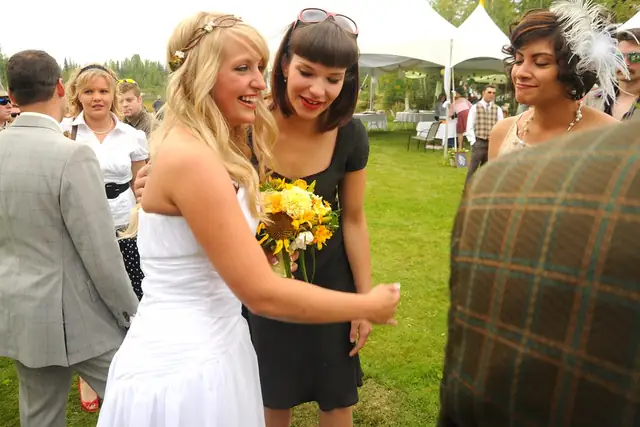
A successful summer wedding is planned around the heat: an evening start, shade and air conditioning, plenty of water, a lighter menu and fabrics that breathe. Book early, because summer is peak season for venues and vendors, and give guests clear advice on dress and arrival times. This guide covers timing, venues, guest comfort, menus, outfits, decor that survives the heat and a summer wedding checklist.
Book early: summer is peak season
Late spring and summer weekends are among the most requested dates of the year in Europe and many other countries. In Israel, summer is also a busy wedding season, although the strongest heat pushes many couples toward late spring and early autumn. Start looking for a venue twelve to fifteen months ahead for a summer weekend, and book key vendors right after. Our step-by-step wedding planning guide explains the order.
For Jewish weddings, remember that the Three Weeks between the Seventeenth of Tammuz and Tisha B'Av, usually in July or early August, are traditionally a period without weddings. Check the dates for your year with your rabbi before booking.
Timing: avoid the hottest hours
- Start in the late afternoon or evening. A ceremony around one to two hours before sunset avoids the strongest heat and gives beautiful light.
- Golden hour portraits right after the ceremony.
- Dinner and dancing after sunset, when temperatures drop.
- Daytime events (a brunch or a lunch) work better indoors with air conditioning.
| Time | Moment |
|---|---|
| 18:00 | Guests arrive, cold drinks in the shade |
| 19:00 | Ceremony, about an hour before sunset |
| 19:30 | Cocktails and golden-hour portraits |
| 20:30 | Dinner |
| 21:30 | Speeches and first dance |
| 22:00 | Dancing until late |
Adapt times to your local sunset. See our wedding day timeline for a full schedule.
Choosing a summer venue
- Air-conditioned halls are the safest choice in very hot climates.
- Garden venues need shade, fans or misting systems, and an air-conditioned indoor area.
- Beach venues are lovely in the evening, but wind and sand need planning.
- Rooftops give breezes and sunset views; check capacity and noise rules.
Ask each venue about air conditioning capacity, shade for the ceremony and what happens during a heat wave. Our outdoor wedding planning guide covers open-air logistics.
Guest comfort in the heat
Guests remember being hot more than they remember the centerpieces. Plan:
- Water stations everywhere: infused water, lemonade, iced tea.
- Shade over the ceremony seating: umbrellas, sails, trees, tents.
- Fans at each seat for an outdoor ceremony, which can double as the program.
- Misting systems or large fans in outdoor areas.
- Sunscreen and insect repellent baskets.
- Comfortable seating for older guests in the coolest spot.
- Flip-flops for the dance floor.
- A short ceremony: keep it under about thirty to forty minutes outdoors.
Tell guests in advance about the venue, the expected weather and the dress code. Your online invitation page is the best place for this, together with directions and parking. With Mazaly, guests confirm their RSVP on that same page, and reminders go out on WhatsApp in a single tap to those who have not answered.
Summer wedding menu
Heat changes appetite. Favor:
- Cold and fresh appetizers: gazpacho shots, ceviche, watermelon and feta (for dairy menus), tartares, vegetable rolls.
- Generous salads: Mediterranean salads, grilled vegetables, herbs, citrus.
- Lighter mains: grilled fish, chicken with herbs, grilled meats, plant-based mains.
- Desserts: sorbets, fruit, light mousses, ice cream bars.
- Drinks: cold white and rosé wines, signature cocktails, many non-alcoholic options.
Food safety matters in heat: buffets must be kept cold and not left out for long. Discuss this with your caterer; our complete event menu planning guide explains service styles and quantities, and our article on wedding cakes and alternatives covers desserts that hold up in heat.
Summer outfits
For the bride
- Lightweight fabrics: chiffon, organza, crepe, light lace.
- Shorter or lighter second dress for dancing.
- A simple, secure hairstyle that resists humidity.
- Long-wear and waterproof makeup, with blotting papers for touch-ups.
For the groom
- Lighter suits: linen, cotton, light wool, lighter colors.
- Breathable shirts, possibly no tie or jacket for the party.
For guests
Suggest the dress code clearly: "Summer cocktail attire", "Light colors welcome", "Comfortable shoes for grass".
Decor that survives the heat
- Heat-resistant flowers: some delicate flowers wilt quickly in heat; ask your florist for hardy seasonal options and late setup. See our wedding flower guide.
- Greenery and fruit: citrus, olive branches, grapes.
- Candles: use LED or protected candles outdoors; real candles can bend in strong heat.
- Natural materials: linen, rattan, wood.
- Lighting for after sunset: festoon lights and lanterns.
Favors and extras for summer
- Fans, sunglasses, mini sunscreens or flip-flops.
- Ice cream cart or sorbet station.
- Cold towels at arrival.
See our wedding favor ideas.
Summer wedding checklist
- Venue with air conditioning or real shade.
- Ceremony time adjusted to the sunset.
- Water and cold drinks everywhere.
- Fans, misting systems, sunscreen.
- Lighter menu and food safety plan.
- Breathable outfits and a second dress.
- Heat-resistant flowers, late setup.
- Clear dress code and weather information for guests.
- Emergency kit with blotting papers, deodorant, plasters, electrolyte drinks.
Mistakes to avoid
- Ceremony in full sun in the early afternoon.
- No water for guests during the ceremony.
- Heavy menus and buffets left out in the heat.
- Delicate flowers set up hours in advance.
- Forgetting the Three Weeks when choosing a date for a Jewish wedding.
Conclusion
A summer wedding is joyful, bright and full of long evenings, as long as you plan for the heat. Book early, start late in the day, keep guests cool and hydrated, serve fresh food safely and choose outfits and decor that breathe. For all the other steps, follow our step-by-step wedding planning guide, and keep your guests, invitations and checklist in Mazaly.
Frequently asked questions
What time should a summer wedding start?
Most summer weddings start in the late afternoon or early evening, with the ceremony about one to two hours before sunset. This avoids the hottest hours and gives soft light for photos. Dinner and dancing take place after sunset, when it is cooler.
How do you keep guests cool at a summer wedding?
Provide shade over the ceremony, water and cold drinks everywhere, fans or misting systems outdoors and an air-conditioned area if possible. Keep the ceremony short and give guests clear advice on dress and weather in advance. Cold towels and flip-flops are also appreciated.
What food is best for a summer wedding?
Fresh, light dishes work best: cold appetizers, Mediterranean salads, grilled fish and meats, plant-based mains and desserts like sorbet and fruit. Buffets must be kept cold and refreshed often for food safety. Offer plenty of non-alcoholic cold drinks.
When are Jewish weddings not held in summer?
Jewish weddings are traditionally not held during the Three Weeks between the Seventeenth of Tammuz and Tisha B'Av, usually in July or early August. The exact dates change every year with the Hebrew calendar. Check with your rabbi before booking a summer date.
How early should I book a summer wedding venue?
Book a summer weekend venue twelve to fifteen months in advance, because summer is peak wedding season in many countries. Weekdays and early or late summer dates can offer more availability. Book key vendors such as the photographer and caterer right after the venue.