
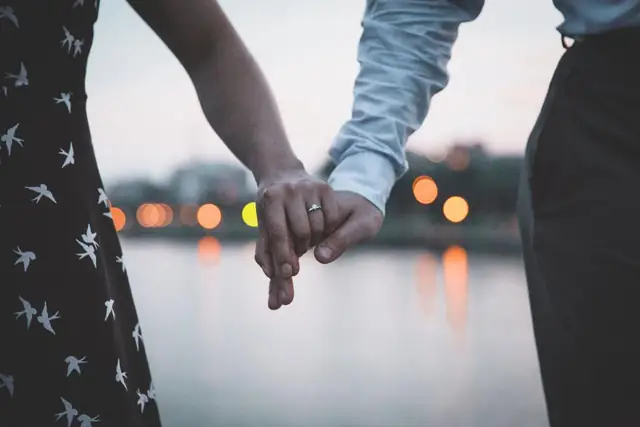
An engagement ring shopping guide should answer three questions before anything else: how much to spend, which stone and metal to choose, and how to buy safely. Start with a budget you are comfortable with, learn the basics of diamond quality (the four Cs), compare natural and lab-grown stones, and always ask for certification and a clear return policy. Here is everything to know before you buy.
Start with a budget, not a rule
You may have heard that an engagement ring should cost "two or three months' salary." That rule came from advertising campaigns, not from tradition. The right budget is the one that does not put you in debt or delay the wedding.
To set it, look at your savings, the wedding you are planning and your other priorities, such as an apartment. Indicative ranges in Europe in 2026, for a solitaire in gold or platinum:
| Type of ring | Indicative price range |
|---|---|
| Lab-grown diamond, around 1 carat | 800-2,500 € |
| Natural diamond, 0.3-0.5 carat | 1,000-3,000 € |
| Natural diamond, around 1 carat | 4,000-12,000 € |
| Sapphire or other colored stone | 500-4,000 € |
| Vintage or antique ring | 500-6,000 € |
These figures are indicative only; prices vary enormously with quality, brand and country. Decide your ceiling before you walk into a shop, because jewelers are very good at showing you something just above it. If you are also planning the wedding budget, our wedding budget planning guide helps you see the full picture.
The four Cs of diamond quality
Diamonds are graded on four criteria. Understanding them lets you choose where to compromise.
Cut
Cut is how well the diamond has been shaped and polished, and it determines how much it sparkles. It is the most important of the four for appearance. An "Excellent" or "Ideal" cut makes a smaller stone look bright and lively; a poor cut makes even a large stone look dull.
Color
White diamonds are graded from D (colorless) to Z (light yellow). For most people, G to J looks white to the naked eye, especially in a yellow or rose gold setting, and costs noticeably less than D to F.
Clarity
Clarity measures internal inclusions and surface marks. Grades go from Flawless to Included. VS1, VS2 and many SI1 stones are "eye-clean," meaning you cannot see flaws without magnification. Paying for higher clarity rarely changes how the ring looks on the hand.
Carat
Carat is weight, not size. Prices jump at round numbers: a 0.95 carat stone can cost much less than a 1.00 carat one while looking almost identical. Choosing just under a round weight is one of the easiest ways to save.
Where to compromise: prioritize cut, then accept a slightly lower color and clarity grade. Most couples get a better-looking ring this way than by chasing a high color grade.
Natural, lab-grown or colored stone?
Natural diamonds
Mined, rare, and traditionally seen as holding value better, although resale prices are usually far below purchase price.
Lab-grown diamonds
Chemically and physically the same as natural diamonds, created in a laboratory. They cost a fraction of the price for the same size and quality. They are certified by the same labs, usually marked as lab-grown. Their resale value is low, so buy one because you love it, not as an investment.
Moissanite and colored stones
Moissanite is very brilliant and durable, and much cheaper. Sapphires (blue, pink, yellow), emeralds and morganite offer color and personality. Emeralds and morganite are softer, so they need more care for daily wear.
Shapes and settings
Popular diamond shapes
- Round brilliant: maximum sparkle, the classic choice.
- Oval: looks larger for its weight and elongates the finger.
- Princess (square): modern and geometric.
- Emerald cut: elegant, "hall of mirrors" effect, shows clarity more.
- Pear and marquise: distinctive, vintage-inspired.
- Cushion: soft square with rounded corners, romantic.
Settings
- Solitaire: one stone, timeless.
- Halo: a ring of small diamonds around the center stone, makes it look bigger.
- Pavé: small stones set along the band.
- Three-stone: past, present and future symbolism.
- Bezel: metal surrounds the stone, very secure for active lifestyles.
Metal
Platinum is durable and naturally white but more expensive. White gold is plated with rhodium and needs re-plating every few years. Yellow and rose gold are back in fashion and flatter warmer skin tones.
Engagement ring and wedding band in Jewish tradition
If you are planning a Jewish wedding, remember the difference between the engagement ring and the wedding ring. Under traditional practice, the ring given under the chuppah should be a plain band of solid metal, without stones, belonging to the groom. The engagement ring can be anything you like. Some brides wear the engagement ring on the other hand during the ceremony. Practices vary between communities and rabbis, so check with the person officiating.
How to find out their style and ring size
If the proposal is a surprise, you need clues:
- Look at the jewelry they already wear: gold or silver, minimal or bold.
- Ask a sibling or best friend, and swear them to secrecy.
- Borrow a ring they wear on the right finger and trace it or take it to a jeweler.
- Check saved photos or wish lists, if they have shared any.
If in doubt, choose a size slightly large; resizing down is usually easier than up. Many couples now shop together, which removes the guesswork. Our guide to planning a surprise proposal has more ideas on keeping the secret.
Where to buy
- Independent jewelers: personal service, custom designs, often good value.
- Brand boutiques: recognizable names, higher prices, strong service.
- Online retailers: wide choice and lower prices, but check return policies carefully.
- Diamond districts: in Antwerp, Tel Aviv-Ramat Gan or Paris, wholesale-style jewelers can offer good prices; compare several and insist on certificates.
Shopping checklist and red flags
Before you buy, make sure you have:
- A grading certificate from a recognized lab (GIA, IGI, HRD) matching the stone.
- A written receipt listing the four Cs, the metal and the price.
- A return or exchange policy in writing, ideally 30 days.
- Resizing and maintenance terms.
- Insurance, either through your home policy or a dedicated jewelry policy.
Red flags: no certificate, pressure to decide today, "special prices" that expire in an hour, vague answers about origin, or reluctance to let you see the stone under magnification.
Timeline: when to start shopping
Allow two to three months before the proposal. Custom designs can take six to eight weeks, and resizing one to two weeks. Shopping in a rush leads to compromises you might regret. Once the ring is on, the rest of the journey begins; our engagement to wedding planning timeline shows what comes next, and the complete engagement party planning guide helps you organize the celebration.
Conclusion
The perfect engagement ring is not the most expensive one; it is the one that suits the person wearing it and the life you are planning together. Set a budget first, prioritize cut, consider lab-grown or colored stones if they fit your values, and never buy without a certificate. With a little research and time, you will choose a ring that feels right for decades.
Frequently asked questions
How much should you spend on an engagement ring?
There is no correct amount; the "three months' salary" rule comes from advertising. Spend what you can afford without debt and without cutting into the wedding or savings for your home. As an indicative range, many couples in Europe spend between 1,000 and 5,000 euros.
Which of the four Cs matters most?
Cut matters most because it determines how much the diamond sparkles. A well-cut stone with a slightly lower color or clarity grade will usually look better than a poorly cut stone with top grades. Color and clarity can be reduced to eye-clean levels to save money.
Are lab-grown diamonds real diamonds?
Yes, lab-grown diamonds have the same chemical, physical and optical properties as natural diamonds. They are graded by the same laboratories and cost much less. Their resale value is low, so they make sense if you buy for beauty rather than investment.
How do I find out my partner's ring size secretly?
Borrow a ring they already wear on the same finger and take it to a jeweler, or ask a close friend or sibling to find out. If you are unsure, choose a size slightly larger, since sizing down is usually simpler. Many jewelers offer a free resize after the proposal.
Can a Jewish wedding ring have diamonds?
Traditionally, the ring used in the Jewish wedding ceremony is a plain band of solid metal without stones, so its value is clear to the bride. The engagement ring itself can have any stone or design. Customs differ by community, so ask your rabbi.